
Wildflower Meadow vs. Traditional Lawn: Which Is Right for Your Garden?
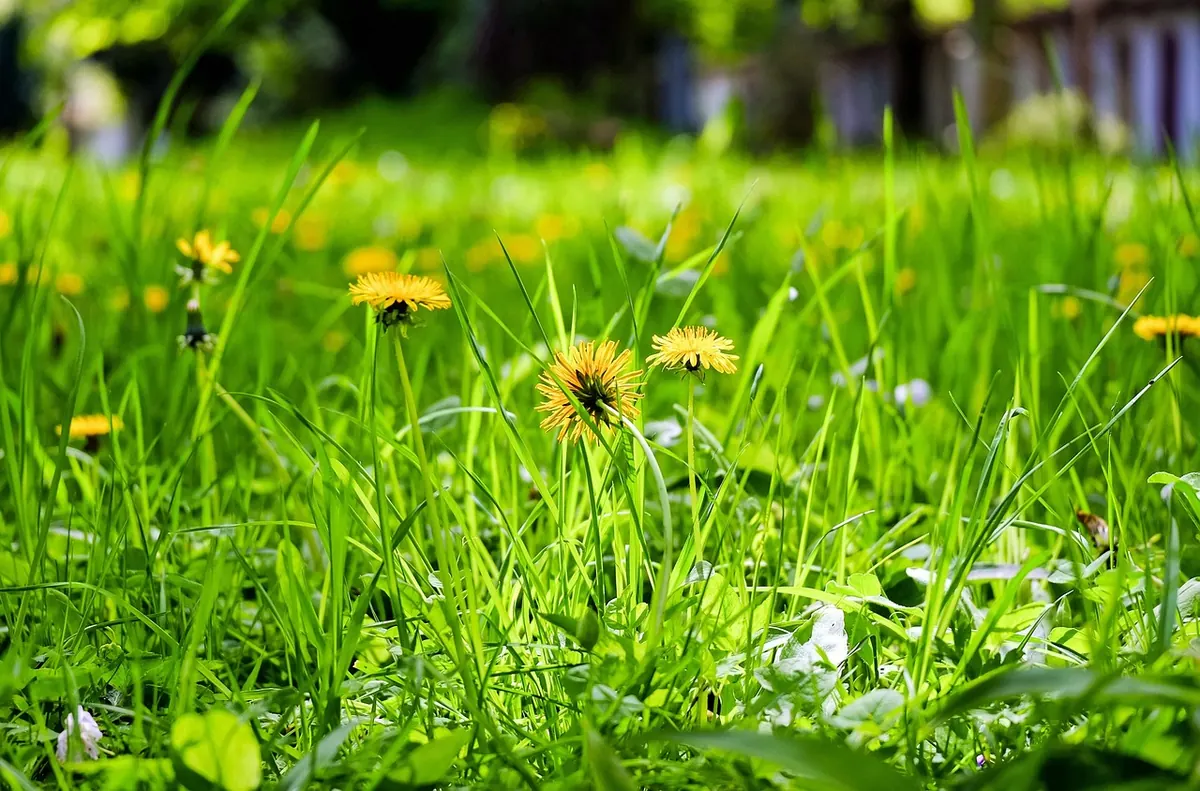
A neatly striped lawn is the default in most British gardens. On plenty of plots it is also the least interesting thing in them. Letting part of the grass grow long is one of the simplest changes you can make this year — but a wildflower meadow is not simply a lawn you have stopped mowing, and the two ask for quite different things. Whether a meadow suits you depends on your soil and light, how you use the space, how much upkeep you want, and what you want the garden to do for wildlife.
What Each One Actually Asks of You
A traditional lawn is a weekly relationship. From March through October you will be out there with the mower, and in May it can feel like every three days. Add feeding in spring, scarifying and aerating in autumn, edging the borders, watering new turf through dry spells, and dealing with moss, daisies and bare patches. For a medium-sized garden that is roughly an hour a week through the season, plus the odd afternoon of proper work.
A meadow runs on a completely different rhythm. You cut it once, sometimes twice, a year. The main cut comes in late July or August, once the flowers have set seed. Leave the cuttings lying for a few days so the seed drops back into the turf, then rake everything off. That last step matters more than any other: leaving the cut material to rot feeds the soil, and enriched soil grows coarse grass rather than flowers. After the main cut you may need a second trim in autumn if growth has been strong, and you will spend odd moments digging out docks, thistles and creeping buttercup.
So a meadow is not less work overall — it is a big burst of work twice a year instead of a steady drip. You will also need a way to cut long, tough grass: a strimmer, a scythe, or a mower set high and worked slowly.
Wildlife Value: Where the Meadow Wins Clearly
A close-mown lawn of ryegrass has limited value for insects. Worms and the odd clover flower help, but there is little nectar and almost nowhere for anything to shelter. A meadow is a different proposition. Native perennials such as ox-eye daisy, greater knapweed, field scabious, lady's bedstraw and bird's-foot trefoil provide nectar from late spring into late summer, and seed heads that feed birds into autumn and winter. The tussocky grass beneath gives overwintering invertebrates somewhere to sit out the cold.
Two practical points. First, sow yellow rattle (Rhinanthus minor) with your mix. It is semi-parasitic on grasses, weakening them and opening up space for flowers. It needs a spell of cold, damp weather to germinate, so autumn sowing is usually more reliable than spring. Second, match your mix to your soil. A chalk downland mix on heavy clay will disappoint; a meadow mix for clay and damp ground will do far better. Buy seed that is genuinely native and suited to your soil type rather than a cheap general-purpose blend.
The Money Side
Lawn seed is a commodity — sown thick, it establishes fast, and it costs relatively little for the area it covers. Native meadow seed is a different market: lower volumes, slower-growing species and more careful sourcing mean you will generally pay more per square metre, and wildflower turf costs more again. Compare a few suppliers and read what species are actually in the mix.
Long term, the picture shifts. A lawn keeps drawing on inputs: feed, occasional weedkiller, water in dry summers, electricity or fuel for the mower, and a replacement mower every decade or so. A meadow on suitable ground settles into needing almost nothing beyond its annual cut once it is established. If you have a large plot, the saving in mowing time alone is significant.
Appearance, and How You Use the Space
A lawn gives you structure, a sightline and usable ground. Children can play on it, dogs can tear across it, and a table and chairs sit on it without a second thought. It also reads as tidy, which matters if you have neighbours close by.
A meadow is lovely in June and distinctly brown in February. By midsummer the growth can reach knee height or more, and after the main cut you are left with low stubble for the rest of the year. Design for that: put shrubs, a hedge or a clipped path edge around the meadow so the garden still has bones in winter. Keep a mown path through it and the whole thing looks deliberate rather than neglected — which also heads off most neighbourly grumbling.
One thing worth checking before you let anything grow long: some properties have covenants, tenancy conditions or estate rules requiring front gardens to be kept tidy. Read your deeds or ask your landlord or managing agent if you are unsure.
The Middle Ground: A Framed Meadow Patch
Most gardens do not need to choose entirely. A mown frame around a flower-rich patch gives you seating, play space and wildlife interest at once.
- Pick your spot. Choose the sunniest area you have — six hours of direct summer sun or more — and avoid ground that is shaded by fences or buildings.
- Mark out a shape. A rectangle tucked into a corner, or a curve behind the lawn, both work. Leave at least a mower's width of mown grass around the edge.
- Weaken the existing turf. If your soil is rich, strip the top layer of turf or take a season's worth of growth off with repeated close mowing and raking. Fertile soil grows grass, not flowers.
- Sow in autumn. September and October suit most native mixes, including yellow rattle. If you want faster, more predictable results, plant plug plants in spring instead.
- Cut it in year one. Counter-intuitive but important: mow the young patch every few weeks through its first summer at around 5–7cm to stop annual weeds smothering the seedlings.
- Switch to the meadow regime from year two. One cut in late summer, one in autumn if needed, and always remove the cuttings.
If seed feels like a commitment, start smaller. Raise the mower blade, mow every fortnight instead of weekly, and leave the daisies and clover alone for a month in late spring. That alone will bring more bees into the garden than a striped lawn ever will.
Choosing Between Them
- Stay with lawn if you need hard-wearing play space, have a small or shady garden, or want a formal, low-growing surface you can walk on year round.
- Go for meadow if you have sun, poor-to-average soil, a decent-sized plot, and no need for every square metre to be usable ground.
- Do both if you have any space to spare. A mown frame and a flowering patch is the combination that suits most UK gardens best.
Getting Started This Autumn
Start with a patch you can see from the kitchen window — a strip two metres by three is plenty for a first attempt, and small enough to cut and clear in an afternoon. Order seed suited to your soil, sow it into ground that has been opened up and raked, and be patient: the first summer will look thin and weedy. Year two is when it starts to sing.
After that, the whole job is one cut, a few days of drying, and a good rake. No feed, no weedkiller, no mowing on a Sunday. If you are converting a large area or dealing with a covenant or tenancy question, it is worth taking advice from your local authority or a solicitor before you start.
Photo: Couleur / Pixabay