
A Month-by-Month Checklist for UK Kitchen Gardeners
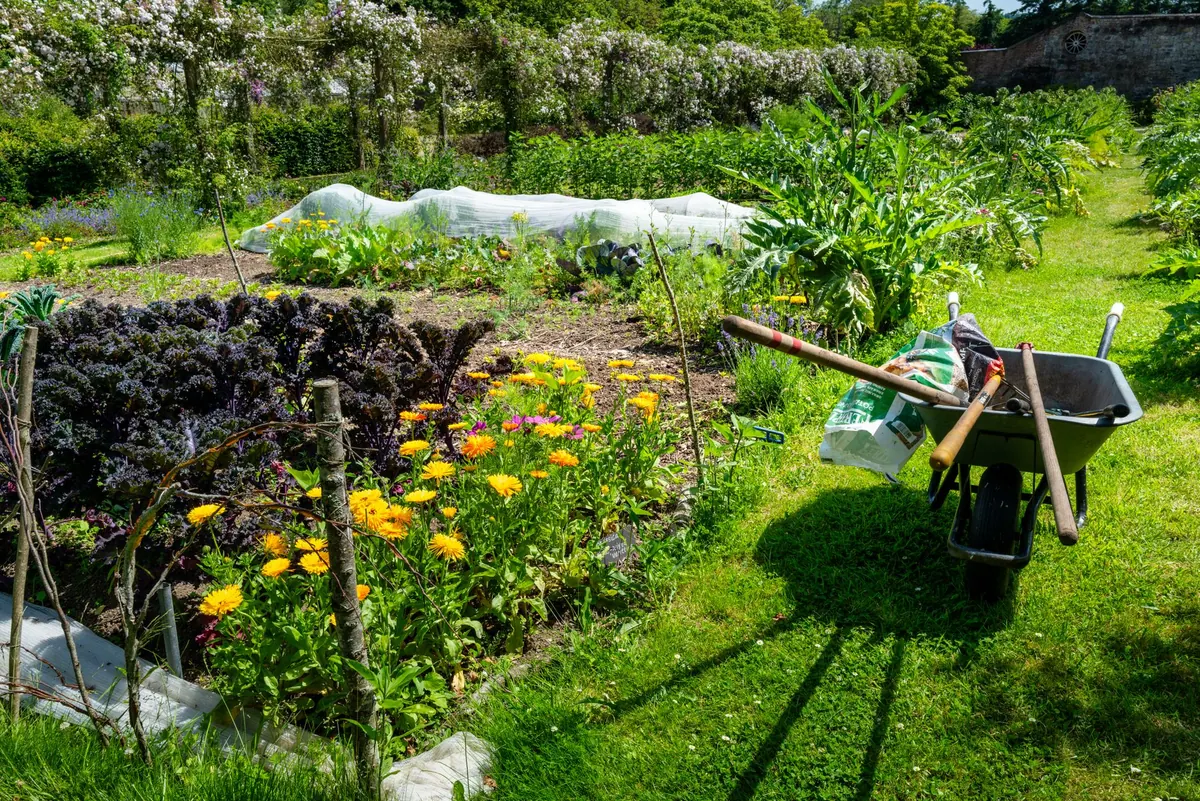
A productive kitchen garden is rarely the result of one inspired weekend. It is the sum of small jobs done at roughly the right moment, week after week, through weather that seldom behaves as forecast. Get most of those jobs roughly right and you will eat from the plot for ten months of the year.
What follows is arranged by season rather than by strict calendar month, because a plot in Cornwall runs two or three weeks ahead of one in Aberdeenshire, and a sheltered town garden beats both for early salad. Use it as a framework, watch your own ground, and adjust as you learn what your soil and your frost dates will tolerate.
Two dates that shape everything
Before anything else, find out roughly when your last spring frost and first autumn frost are likely to fall. Everything tender — courgettes, sweetcorn, French beans, tomatoes — goes out after the first date, not before. Everything that needs a long season — parsnips, leeks, winter brassicas — is timed backwards from the second.
A few habits carry the whole year:
- Sow in small batches. A short row of salad or radish every three weeks beats one long row that matures in a single glut.
- Write it down. Variety, date sown, date harvested. You will forget by August, and next January those notes are worth more than any book.
- Keep soil covered. Compost, leafmould or a green manure between crops. Bare winter soil loses structure and nutrients.
- Act on small problems early. Aphids, slugs and bolting salad are quick to fix in week one and tedious by week four.
Spring: the plot wakes up
March is for planning with a spade in your hand. Prepare beds as soon as the soil stops sticking to your boots, spread well-rotted compost, and sow hardy crops direct: broad beans, parsnips, early carrots, spinach and chard. Under cover, start tomatoes, peppers and aubergines somewhere warm and bright. Plant onion sets and shallots. First early potatoes can go in at the end of the month on lighter, warmer soils.
April is the busiest sowing month of the year. Maincrop potatoes go in, along with beetroot, peas, mangetout and another row of salad. Brassicas sown earlier can be pricked out and hardened off. Keep fleece or a cloche to hand; a late frost will blacken emerging potato shoots, though they usually recover.
May is a month of patience and hardening off. Move seedlings outdoors by day and back under cover at night for a week or so before planting. Once the risk of frost has passed, usually late May in the south and early June further north, plant out tomatoes, courgettes, squash and sweetcorn, and sow French and runner beans direct. Earth up potatoes as the shoots push through.
Summer: keep picking, keep sowing
June rewards you with strawberries, broad beans, early peas and the first salad leaves. Water thoroughly rather than little and often — a good soak twice a week encourages deeper roots than a daily sprinkle. Hoe weeds on a dry morning. Sow more salad, beetroot and carrots for autumn, and plant out winter leeks.
July is the month to think ahead while the garden is at its fullest. Sow spring cabbage, kale and purple sprouting broccoli for next year, and winter salads such as land cress, mizuna and corn salad. Lift garlic and onions once the tops flop and dry them somewhere airy. Keep feeding tomatoes and peppers, and pinch out the side shoots of cordon varieties.
August is harvest-heavy: runner beans, courgettes, cucumbers, tomatoes, the first sweetcorn. Keep picking, even when you have more than you need — courgettes and beans stop cropping if you leave them to swell. Sow overwintering salads and spinach now, and clear spent pea and potato beds rather than letting them sit empty.
Autumn: planting for next year
September is the best planting month for next season. Garlic and overwintering onions go in, along with hardy broad beans such as Aquadulce Claudia. Lift maincrop potatoes on a dry day and let them dry before storing. Clear finished beds and sow a green manure — field beans, grazing rye or phacelia — rather than leaving soil bare.
October is for tidying and mulching. Spread compost over emptied beds and let the worms work it in over winter. Harvest squash and pumpkins before the first hard frost and cure them somewhere warm for a week or two. Rhubarb should be left alone from now until spring so the crowns build strength.
November suits bare-root planting. Fruit trees, bushes and canes establish far better planted now than in spring. Keep harvesting leeks, parsnips and winter brassicas, and net them against pigeons. Clean, oil and sharpen tools before they go away.
Winter: quiet work, careful harvesting
December and January are for harvesting what stands — leeks, kale, sprouts, parsnips, and stored onions, garlic and squash. Check stored crops every couple of weeks and remove anything rotting before it spreads. Prune apples and pears while dormant, but leave plums and cherries until summer to avoid disease. Order seeds and potatoes, and plan next year's rotation: keep brassicas, roots, legumes and potatoes moving around the plot rather than returning to the same bed.
February is the turning point. Chit first early potatoes in a cool, light room. Sow tomatoes, peppers and aubergines under cover. Broad beans and early peas can go in if the soil is workable, and a cloche will bring forward the first salad leaves by several weeks.
Keeping the year on track
Perfection is not the goal. Some crops will fail, some sowings will be eaten by slugs, and there will be a fortnight in July when the plot looks neglected. What matters is that something is always growing, something is always ready to pick, and the soil is better at the end of the year than it was at the start.
Keep a notebook, walk the garden once a day with a mug of tea, and deal with the small jobs before they become large ones. Then follow the labels on any fertiliser, seed treatment or garden product to the letter. That steady rhythm, rather than any single clever trick, is what fills the kitchen with home-grown food.
Photo: Bob Jenkin / Pexels