
How to Make a Bee-Friendly Window Box for a UK Balcony
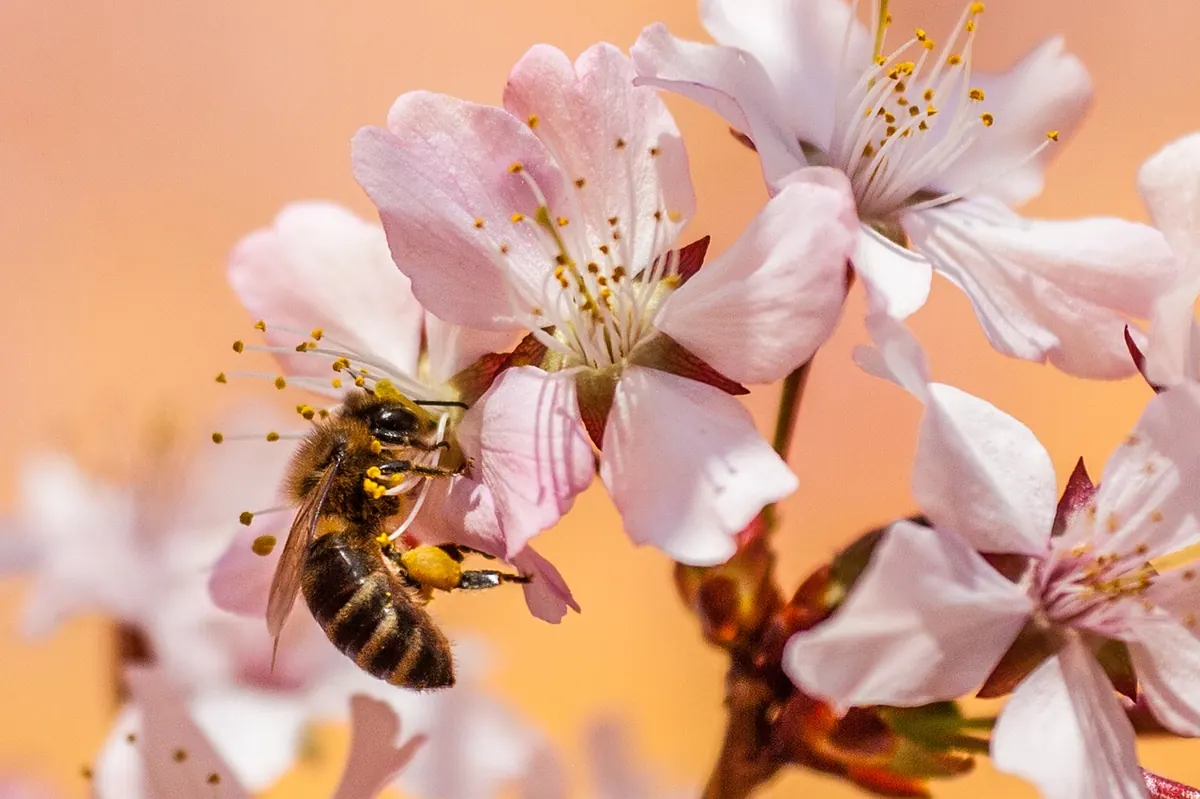
A window box is the smallest garden most of us will ever plant, and one of the most useful. Bolted to a balcony rail or sitting on a sunny sill, it turns a bit of dead space into a refuelling stop for bees working a route between parks, allotments and the scraps of green in between. You don't need a garden, a big budget or any particular skill — just a box, some peat-free compost and a handful of flowers that actually offer something to eat.
Why a balcony box is worth the bother
A bee covers a lot of ground in a day, and it will use whatever lies on the way. A third-floor box is no help to a mining bee that nests in the ground, but it suits bumblebees and honeybees working along a terrace of flats. Several boxes on the same street join up, and a well-planted window box in full sun will often be busier than a shady border.
Balconies have their own weather. They catch the wind, they bake in summer, and the compost dries out faster than anything in the ground. Choose tough, sun-loving plants and you will spend far less time with a watering can.
What bees actually need from a window box
Nectar for energy, pollen for protein, and both from spring through to autumn. That is the whole brief.
Different bees have different tongues, so variety matters. Short-tongued bumblebees and honeybees go for open, daisy-like flowers where the nectar is easy to reach. Longer-tongued bumblebees prefer tubular flowers such as lavender, salvia and penstemon. Plant a mix and you will feed more species.
Scent and colour matter too. Bees see blues, purples, yellows and whites well — red reads as dark to them — which is why so many bee favourites sit in the violet-blue range. Single flowers with visible stamens beat frilly doubles almost every time: when breeders turn stamens into extra petals, they take away the part that makes pollen.
Plants that earn their place
Best picks for a UK balcony
- Lavender — compact, drought-tolerant and covered in bees in July. It needs sharp drainage and full sun.
- Catmint (Nepeta) — flowers for months, and the grey-green foliage copes with wind.
- Marjoram and oregano — herbs that double as nectar bars. Let some of it flower instead of cutting the lot.
- Salvia — both the hardy ornamental kinds and common sage. Blue and purple forms are especially popular.
- Thyme and chives — low-growing, useful in the kitchen and generous with flowers.
- Borage, calendula and cornflower — easy annuals, fine from seed, and quick to flower in a first-year box.
- Sweet alyssum — small, fragrant and a favourite of smaller solitary bees.
- Sedum (the upright varieties) — late flowers that carry bees into September and October.
- Crocus and grape hyacinth — early spring bulbs for the first bees out of the nest.
What to leave out
Highly bred double begonias, busy lizzies and many of the frilly petunias look lovely and offer almost nothing. Trailing geraniums with tight double heads are another dead end. If a plant has no visible stamens and no scent, it probably isn't worth the compost.
Skip insecticides as well, including the spray you might reach for at the first sign of greenfly. A few aphids are part of the deal; a strong jet of water handles most outbreaks, and ladybirds usually turn up on their own.
The box, the compost and the fixings
Aim for at least 20cm of depth, and 25–30cm if you want lavender or thyme to survive the winter. Wider is usually better than deeper: more surface area means more compost, and more compost holds more water. Drainage holes are essential — a box without them becomes a swamp after a wet week.
Weight is the thing people forget. Wet compost is heavy, and a long box can weigh considerably more than you expect. If you rent, or you are drilling into a wall you don't own, check with your landlord or the freeholder first. A box standing on the balcony floor, tucked behind the railing, is the safest option; if you hang one over the rail, use brackets rated for the weight and check them after storms. If you are unsure about the structure you are fixing to, take proper advice before you drill.
Use a peat-free multipurpose compost and mix in some horticultural grit for drainage. Go easy on the fertiliser; rich compost grows leafy plants with fewer flowers. A thin layer of gravel on the surface slows evaporation and stops compost splashing onto the glass.
Planting it up
- Water the plants in their pots and let them drain while you get the box ready.
- Check the drainage holes are clear, then half-fill with compost.
- Set the plants out in their pots first — tallest at the back, low and trailing ones at the front. Shuffle them about until the arrangement looks right.
- Plant them at the same depth they were growing in the pot, teasing out any tight roots.
- Fill the gaps, firm gently with your fingers and water until it runs out of the bottom.
- Leave it a week to settle, then top up with compost and add the gravel mulch.
Don't cram. A crowded box stays damp, and damp brings mildew and rot.
Keeping it going through the season
Water in the morning or evening, at the roots rather than over the flowers. In a hot spell a balcony box may need watering twice a day, and it will dry out faster than anything you have planted in the ground.
Deadhead regularly — the more you cut off fading flowers, the longer the plant keeps producing new ones. A weak tomato feed every couple of weeks through summer encourages more flowers than a high-nitrogen feed would.
Plan for succession. Lavender is glorious for three weeks and quiet either side of it, so underplant it with catmint for early summer and sedum for autumn. The goal is something in flower from March to October. Over winter, hardy herbs and shrubs can stay put; treat annuals as a one-season job and start again in spring.
Start with one box this weekend
If you are new to this, keep it simple. Buy one decent-sized box with drainage holes, a bag of peat-free compost and four plants: a lavender, a catmint, a marjoram and a packet of calendula seed. Plant them, water them, then sit outside for ten minutes with a cup of tea and watch what arrives.
You will learn more from that than from any plant list. Note which flowers the bees visit and which they ignore, and adjust next year. A single window box won't solve the problems bees face, but it will feed a good many of them — and it will make a small, sunny corner of a balcony far more interesting to sit in.
Photo: Kollinger / Pixabay